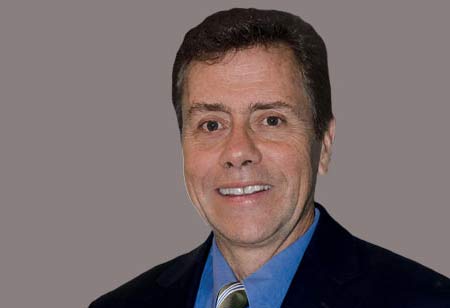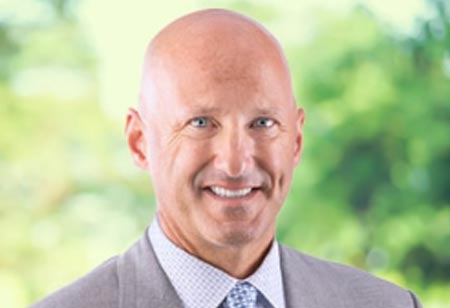

Christine Lenches-Hinkel is an environmental scientist, planner and forestry-trained analyst advancing regenerative soil restoration and community-centered land recovery. Her work in Altadena, California focuses on post-fire soil rehabilitation, ecological resilience and integrating restoration science into practical, long-term land stewardship strategies.
Applying Soil Science to Community Recovery
My focus on soil restoration grew out of an unexpected laboratory: the Rose Bowl Stadium. For eight years, I worked at the intersection of soil science, composting and organic waste management on one of the most intensively used landscapes in the country. That environment demanded constant experimentation like testing how compost, microbial inoculants and organic amendments could strengthen turf systems, reduce chemical inputs and close the loop on the stadium’s own waste streams.
Over time, those trials evolved into a bona fide organic material management system, one that demonstrated how living soils could outperform conventional maintenance approaches. When the Eaton Fire struck Altadena, the lessons from the Rose Bowl became directly relevant. The same biological principles that helped a major sports facility rebuild soil function now guide my work with fire impacted residents seeking to restore safety, stability and ecological resilience to their land.
As a forester by training and an environmental planner by practice, I entered post fire recovery expecting to focus on vegetation, slope stability and watershed function. Instead, I found myself repeatedly returning to the ground itself. The fire had not only removed vegetation; it had fundamentally altered the biological and chemical character of the soil. That realization is what drew me fully into soil restoration as both a scientific discipline and a community scale service.
For me, soil restoration is the process of rebuilding the biological, structural and functional integrity of soil so that land can support safe, resilient and regenerative uses. Its impact on sustainable land management is profound. Healthy soil reduces erosion, buffers contaminants, supports biodiversity and increases water infiltration, functions that become especially critical in urban and peri urban landscapes where fire, drought and development pressures intersect.
Healing Fire-Damaged Soil Systems
The challenges, however, are significant. Post fire soils in Altadena presented a combination of hydrophobic layers, nutrient imbalances and in some areas, elevated heavy metals from burned structures and legacy urban pollution. Many residents assumed the soil could simply be “washed clean” by winter rains. Instead, contaminants often migrated downslope or concentrated in planting beds. The technical challenge was paired with a social one. Homeowners were navigating insurance claims, rebuilding timelines and emotional fatigue. Soil health was important, but it was one concern among many.
My approach has been to pair rigorous assessment with regenerative, biology forward treatments. In practice, this means starting with soil testing: chemical, physical and increasingly, biological. From there, we design interventions that rebuild soil function rather than mask symptoms. Compost based amendments, microbial inoculation and erosion reducing mulches have been central tools. In several Altadena neighborhoods, we implemented phased treatments. First stabilizing soil to prevent runoff, then reintroducing organic matter and microbial life and finally supporting residents in re establishing vegetation suited to post fire conditions. The work is slow, but the results are measurable. Improved infiltration, reduced dust, healthier root systems and a return of soil organisms that had been absent since the fire.
Making Ecological Recovery Practical
Working with clients, whether homeowners, community groups or local organizations requires balancing ecological goals with practical land use needs. Many residents want to rebuild gardens, grow food or create defensible space. My role is to translate soil science into actionable choices. For example, a family may want fruit trees but have elevated lead levels in their soil. Rather than discouraging their goals, we explore raised beds, phytoremediation plantings or targeted soil replacement. The aim is always to align ecological integrity with the lived realities of the landowner.
Soil Restoration as a Climate Strategy
Looking ahead, several trends are shaping the future of soil restoration. Growing recognition of soil biology drives long term resilience. Tools for measuring microbial diversity and function are becoming more accessible, allowing practitioners to design treatments that support living soil systems.
Climate driven disturbances, fire, extreme rainfall, prolonged drought are pushing communities to rethink land management as a form of risk reduction. Soil restoration is increasingly seen as part of climate adaptation, not just ecological repair. There is a shift toward local material cycles: using regionally produced compost, mulch and biomass to rebuild. This strengthens community resilience and reduces environmental footprints.
Assessment Is the Foundation of Restoration
For professionals and landowners investing in long term soil health, my advice is straightforward. Start with assessment. Know what is in your soil and what it needs. Prioritize organic matter and biological activity; these are the engines of soil recovery. Think in timelines of years, not months. And most importantly, view soil as a partner rather than a substrate. When we work with the natural processes that build soil, restoration becomes not just possible but regenerative.
Altadena’s post fire recovery has shown me that soil restoration is both a technical practice and a community endeavor. The land remembers disturbance, but it also remembers care. Our job is to help it heal in ways that support the people who call it home.
Applying Soil Science to Community Recovery
My focus on soil restoration grew out of an unexpected laboratory: the Rose Bowl Stadium. For eight years, I worked at the intersection of soil science, composting and organic waste management on one of the most intensively used landscapes in the country. That environment demanded constant experimentation like testing how compost, microbial inoculants and organic amendments could strengthen turf systems, reduce chemical inputs and close the loop on the stadium’s own waste streams.
Over time, those trials evolved into a bona fide organic material management system, one that demonstrated how living soils could outperform conventional maintenance approaches. When the Eaton Fire struck Altadena, the lessons from the Rose Bowl became directly relevant. The same biological principles that helped a major sports facility rebuild soil function now guide my work with fire impacted residents seeking to restore safety, stability and ecological resilience to their land.
As a forester by training and an environmental planner by practice, I entered post fire recovery expecting to focus on vegetation, slope stability and watershed function. Instead, I found myself repeatedly returning to the ground itself. The fire had not only removed vegetation; it had fundamentally altered the biological and chemical character of the soil. That realization is what drew me fully into soil restoration as both a scientific discipline and a community scale service.
For me, soil restoration is the process of rebuilding the biological, structural and functional integrity of soil so that land can support safe, resilient and regenerative uses. Its impact on sustainable land management is profound. Healthy soil reduces erosion, buffers contaminants, supports biodiversity and increases water infiltration, functions that become especially critical in urban and peri urban landscapes where fire, drought and development pressures intersect.
Healing Fire-Damaged Soil Systems
The challenges, however, are significant. Post fire soils in Altadena presented a combination of hydrophobic layers, nutrient imbalances and in some areas, elevated heavy metals from burned structures and legacy urban pollution. Many residents assumed the soil could simply be “washed clean” by winter rains. Instead, contaminants often migrated downslope or concentrated in planting beds. The technical challenge was paired with a social one. Homeowners were navigating insurance claims, rebuilding timelines and emotional fatigue. Soil health was important, but it was one concern among many.
My approach has been to pair rigorous assessment with regenerative, biology forward treatments. In practice, this means starting with soil testing: chemical, physical and increasingly, biological. From there, we design interventions that rebuild soil function rather than mask symptoms. Compost based amendments, microbial inoculation and erosion reducing mulches have been central tools. In several Altadena neighborhoods, we implemented phased treatments. First stabilizing soil to prevent runoff, then reintroducing organic matter and microbial life and finally supporting residents in re establishing vegetation suited to post fire conditions. The work is slow, but the results are measurable. Improved infiltration, reduced dust, healthier root systems and a return of soil organisms that had been absent since the fire.
Making Ecological Recovery Practical
Working with clients, whether homeowners, community groups or local organizations requires balancing ecological goals with practical land use needs. Many residents want to rebuild gardens, grow food or create defensible space. My role is to translate soil science into actionable choices. For example, a family may want fruit trees but have elevated lead levels in their soil. Rather than discouraging their goals, we explore raised beds, phytoremediation plantings or targeted soil replacement. The aim is always to align ecological integrity with the lived realities of the landowner.
Soil Restoration as a Climate Strategy
Looking ahead, several trends are shaping the future of soil restoration. Growing recognition of soil biology drives long term resilience. Tools for measuring microbial diversity and function are becoming more accessible, allowing practitioners to design treatments that support living soil systems.
-
For me, soil restoration is the process of rebuilding the biological, structural and functional integrity of soil so that land can support safe, resilient and regenerative uses. Its impact on sustainable land management is profound.
Climate driven disturbances, fire, extreme rainfall, prolonged drought are pushing communities to rethink land management as a form of risk reduction. Soil restoration is increasingly seen as part of climate adaptation, not just ecological repair. There is a shift toward local material cycles: using regionally produced compost, mulch and biomass to rebuild. This strengthens community resilience and reduces environmental footprints.
Assessment Is the Foundation of Restoration
For professionals and landowners investing in long term soil health, my advice is straightforward. Start with assessment. Know what is in your soil and what it needs. Prioritize organic matter and biological activity; these are the engines of soil recovery. Think in timelines of years, not months. And most importantly, view soil as a partner rather than a substrate. When we work with the natural processes that build soil, restoration becomes not just possible but regenerative.
Altadena’s post fire recovery has shown me that soil restoration is both a technical practice and a community endeavor. The land remembers disturbance, but it also remembers care. Our job is to help it heal in ways that support the people who call it home.